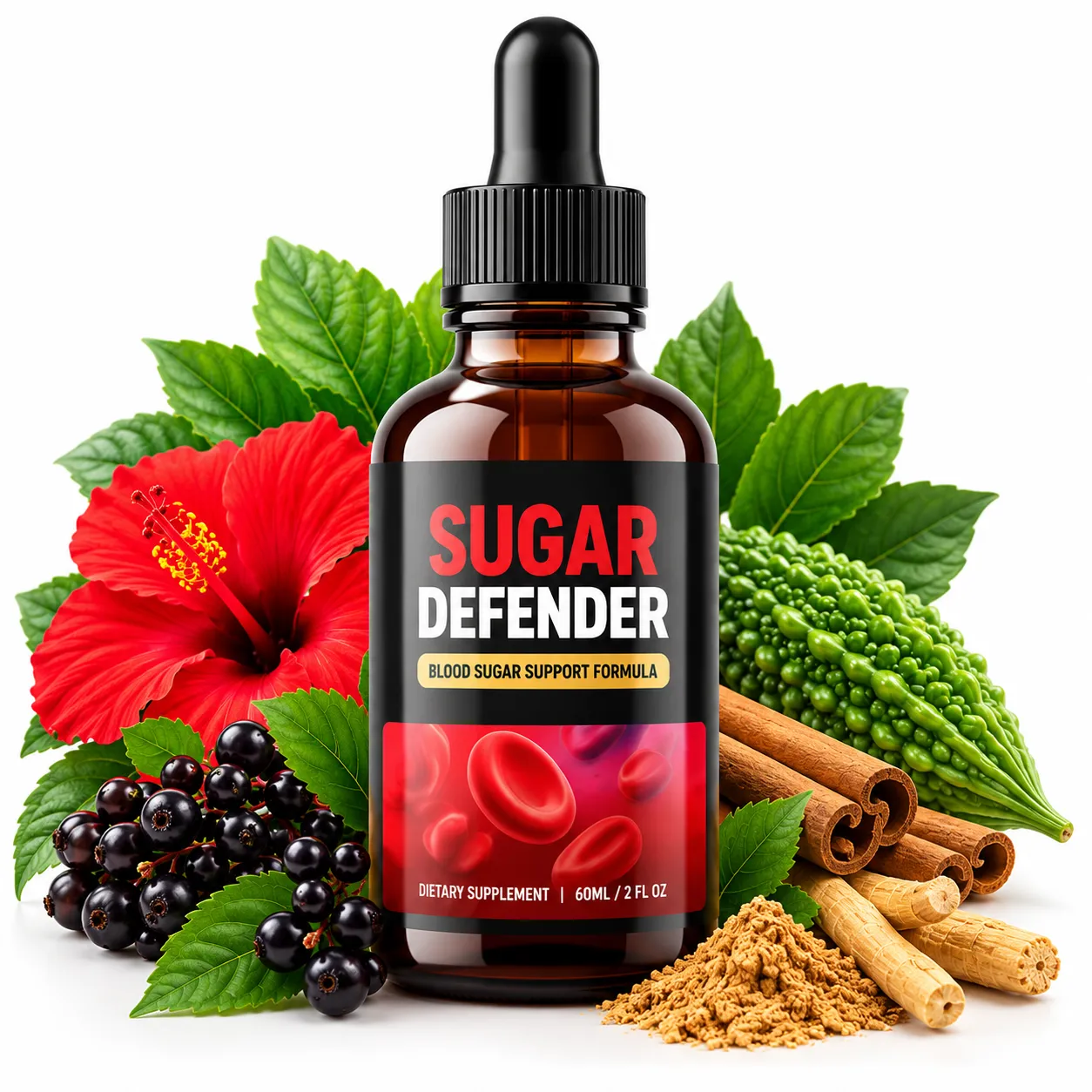
The Sugar Defender website highlights several botanical ingredients associated with energy, metabolism, and traditional wellness practices.
Its publicly displayed bottle label also includes chromium and a proprietary herbal blend.
Here are some of the featured ingredients and the questions that matter when evaluating them.
Gymnema
Gymnema is a plant that has been studied for possible effects related to glucose metabolism.
Although it has a history of traditional use, research has not established that adding gymnema to Sugar Defender makes the finished supplement effective for managing diabetes.
Ginseng
Ginseng has been investigated for fatigue, general wellness, and metabolic effects.
Some individual studies have reported potentially interesting findings, but research differs considerably in plant preparation, dose, study population, and outcome.
Those differences matter when evaluating a product containing a blend of multiple ingredients.
Chromium
Chromium is a trace mineral involved in normal metabolism.
Research has examined whether chromium supplementation might influence blood glucose measurements. Results have been mixed, and the clinical importance of reported improvements remains uncertain.
The NIH Office of Dietary Supplements explains that chromium supplementation has not demonstrated a clear enough benefit to support routine use for diabetes.
Guarana
Guarana is a botanical source of caffeine and is commonly included in products marketed for alertness or energy.
Its stimulant content makes the full ingredient information particularly important for people sensitive to caffeine.
Maca root and eleuthero
These botanicals are associated with traditional uses involving energy, stamina, and adaptation to stress.
Their presence in a formula does not establish that the finished product improves fatigue, blood glucose control, or physical performance.
Coleus and African mango
These ingredients are frequently marketed in supplements intended for metabolism or weight management.
Evidence for weight-related benefits varies by preparation and dose. Their inclusion alone cannot establish meaningful weight loss from Sugar Defender.
An important question about ingredient amounts
The company's promotional website highlights eight ingredients, while its bottle label artwork describes a broader proprietary blend.
A proprietary blend may identify ingredients without showing the individual amount of every botanical.
That makes it difficult to compare the finished formula with the doses used in published scientific studies.
Before purchasing, review the current Supplement Facts panel on the product you would receive. You may also want to ask the seller about ingredient quantities and caffeine content.
The important distinction is simple: research on an ingredient is not the same as clinical proof of an entire supplement.
Evidence reminder: Individual ingredient studies do not establish that Sugar Defender itself has been clinically proven to treat a medical condition.